Owner's guide
An empty home in Spain: security, squatters and what really helps
Few subjects worry foreign owners as much as okupas. This guide separates the facts from the stories and shows what makes an empty home an unattractive target.
If you believe the headlines, every closed shutter in Spain attracts squatters. The reality is more sober. It does happen, and when it does it is expensive and slow to undo. But the homes at risk have something in common: they look abandoned.
A house that is visited, maintained and visibly in use is a poor candidate. Prevention is therefore mostly ordinary care, done regularly and put on record.
What an empty home is really exposed to
For a home that stands empty for months, squatting is one risk among several. A leak that nobody notices can run for weeks, a break-in may go unseen until your next visit and storm damage gets worse with every shower. Unlawful occupation is less common, but it takes the longest to undo.
All of these have the same cure: someone who comes by, looks properly and reports what they see. The measures below work against squatters and against the other risks at the same time.
What the law says, without the myths
Spanish criminal law makes a distinction that matters to owners. Entering someone's home against their will is allanamiento de morada, an offence that carries a prison sentence. Occupying a property that is nobody's home is usurpación, which in its non-violent form is a minor offence punished with a fine.
A second home can count as a home in this sense, as long as private life takes place there, even if only now and then. The guidelines of the Spanish public prosecutor say so explicitly. A furnished house with running utilities that you use during the year is in a different position from an empty shell. Whether a particular house qualifies is decided by a judge, case by case.
There is no law that sets a limit of 48 hours, whatever the stories say. What does matter is speed: the sooner an intrusion is noticed and reported, the more the police can do on the spot. Since April 2025 allanamiento de morada can also go through a fast-track court procedure when the legal conditions are met. Non-violent occupation of a property that is nobody's home remains a minor offence with its own procedure. The rules in this area are under political debate, so check the current position with a lawyer.
Seven measures that make your home a poor target
The Spanish police give much the same advice for long absences, and it comes down to two things: make entry difficult and make the house look lived in.
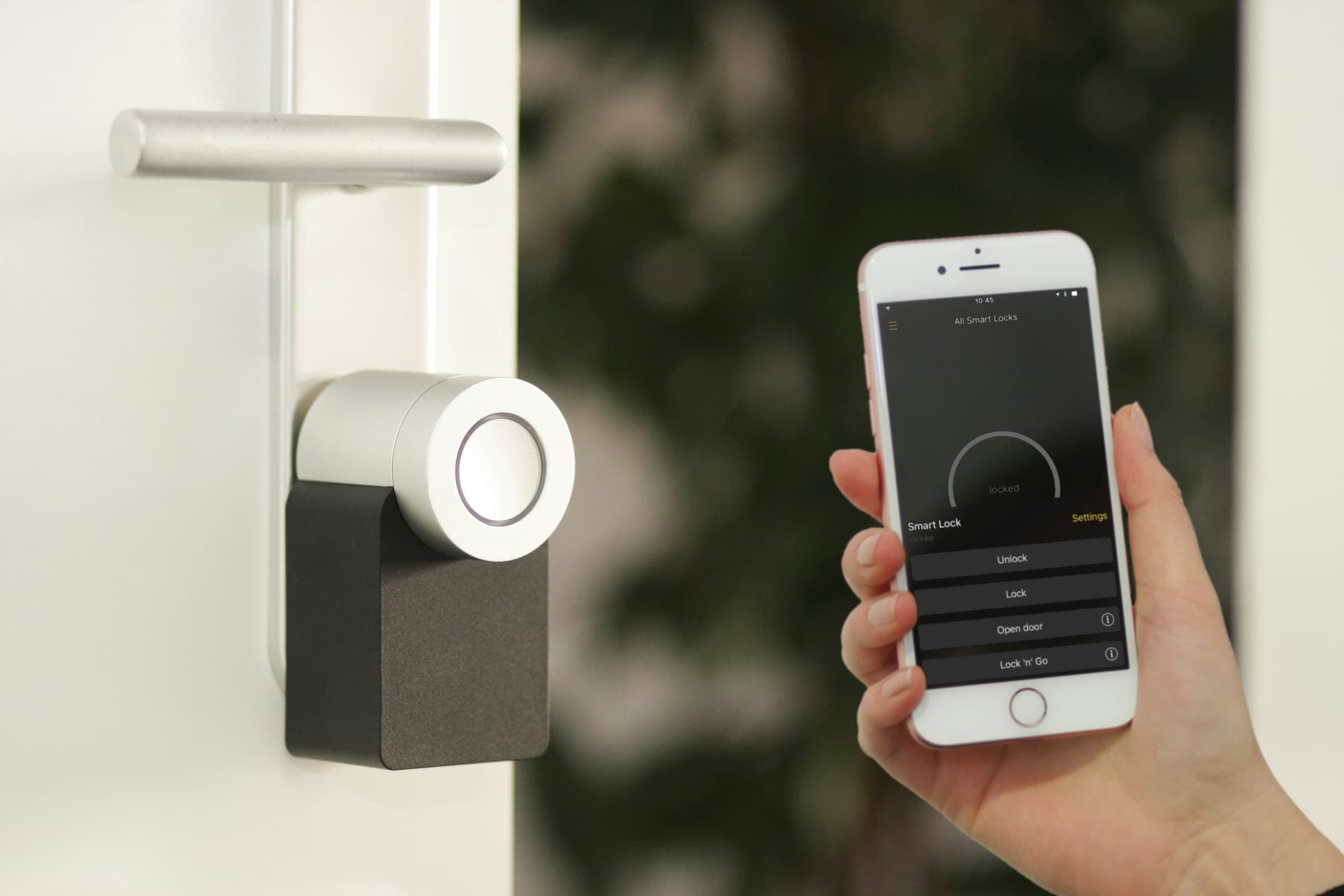
- A solid front door with a good lock, and locks on windows and terrace doors.
- An alarm, with a visible sign, as a deterrent.
- Lights on timers, so the house does not stay dark for weeks.
- Shutters that are not all closed all of the time. A house that is sealed for months tells everyone it is empty.
- A letterbox that gets emptied. Piled-up post is the oldest signal there is.
- Neighbours who have your number, or the number of your key holder, and who know who is supposed to be at the house.
- Regular visits by someone who has the keys, with a dated record of each visit.
Keep the house visibly in use
Besides security, it helps if you can show that the house is your home and not an abandoned building.
- Keep water and electricity connected and in your name.
- Keep the garden and the pool maintained. An overgrown garden can be seen from the street.
- Leave the house furnished and in a state in which you could arrive tomorrow.
- Keep the visit reports, invoices and photos. They document that the house is in use and looked after.
If it does happen: what to do and what not to do
If you or your key holder find strangers in the house, the first hours matter.
- Call the police on 112 straight away and say that the intrusion is happening now or has just been discovered.
- Have proof of ownership ready: the title deed, a land registry extract, property tax receipts and utility contracts.
- File a report (denuncia) and engage a lawyer the same day. A lawyer can ask the court to order an urgent eviction.
- Do not try to solve it yourself. Force, threats or pressure can turn the owner into the accused.
- Do not change locks or interfere with the utilities while people are inside without legal advice. The legal position depends on the details of the case.
Insurance and the costs
Check what your home insurance says about unlawful occupation. Some policies include legal assistance for this situation and others exclude it, and the conditions vary widely. Ask your insurer in writing.
Read the vacancy clause as well. Many Spanish policies limit cover for water damage or burglary once a home has been unattended for 30 to 60 consecutive days. Documented visits help you stay within those terms, as our insurance guide explains.
This guide is general information, not legal advice. The law in this area is being debated and may change. If your home is occupied, call the police and a lawyer before you do anything else. Sources: Spanish Criminal Code (articles 202 and 245), Instruction 1/2020 of the Fiscalía General del Estado, Organic Law 1/2025 and the prevention advice of the Policía Nacional. As of October 2026.
Would you like someone to keep an eye on your home?
Regular, documented visits are the core of our key holding service: we check the house inside and out, deal with the post and send you a dated photo report after every visit.

Hand over the worry, keep the joy
Tell us about your home in Marina Alta. You receive a personal proposal with transparent rates within one working day.
Request a proposal